316 stainless steel flanges About
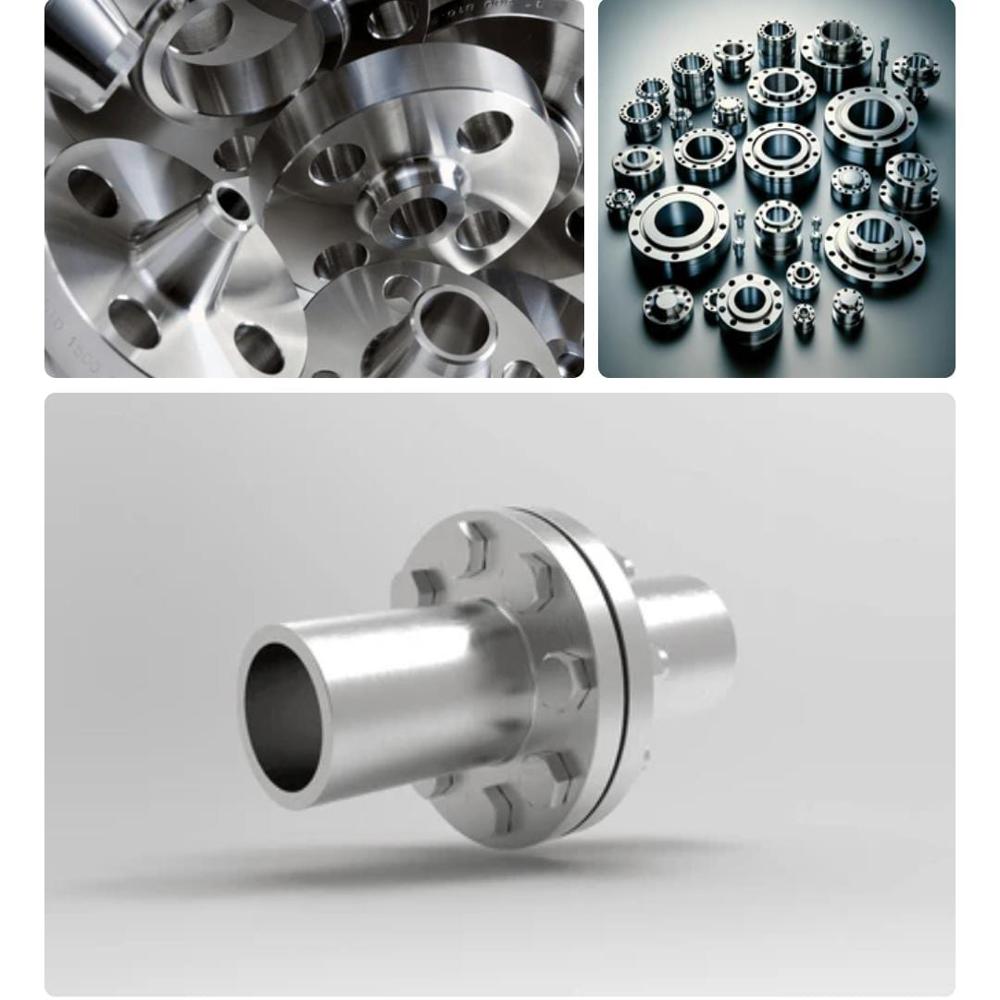
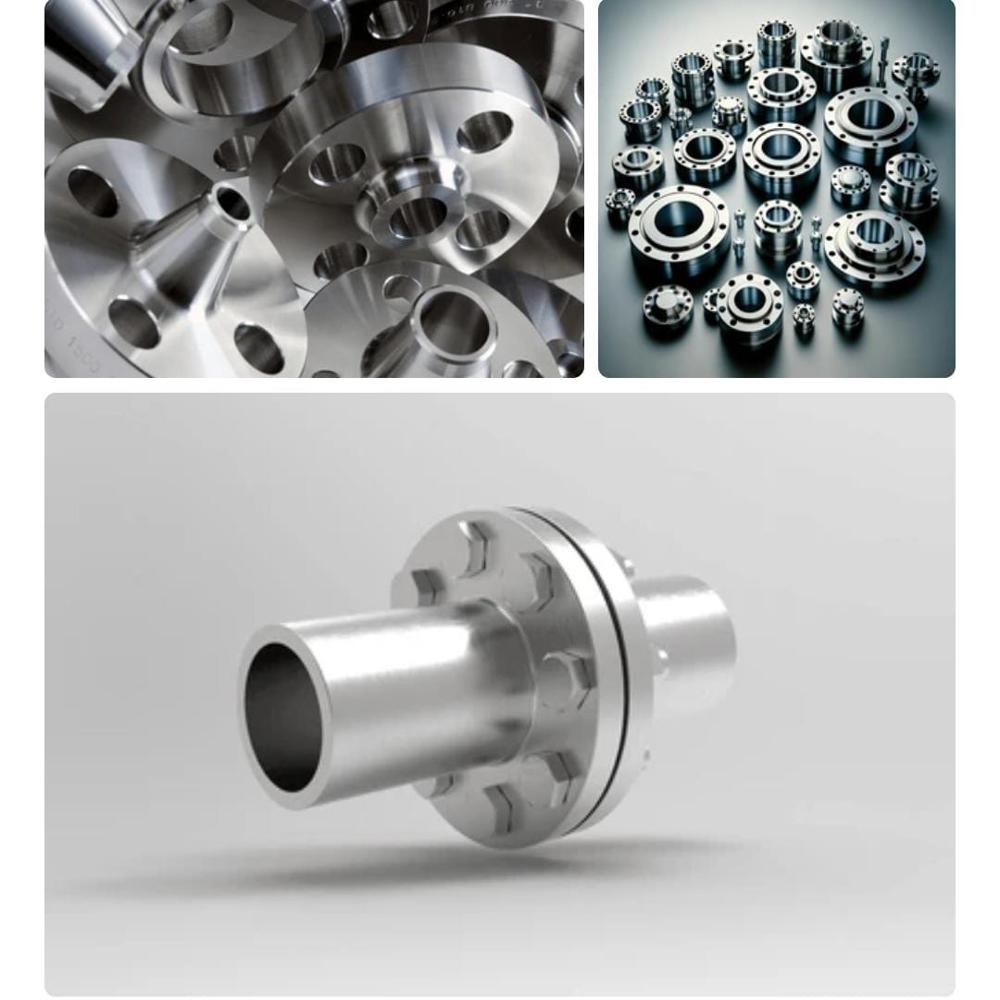
Stainless Steel (SS) flanges are mechanical components used to connect pipes, valves, pumps, and other equipment to form a secure and leak-proof piping system. They provide flexibility for maintenance, inspection, and modification of pipelines. Manufactured from high-quality stainless steel such as SS304, SS304L, SS316, and SS316L, these flanges offer excellent corrosion resistance, high strength, and durability, even in harsh industrial environments.
Key Features
-
Material: Stainless steel grades 304/304L/316/316L
-
Corrosion & Rust Resistant: Suitable for chemical, marine, and high-moisture environments
-
High Temperature & Pressure Capability
-
Precision Machined: Ensures accurate fit and leak-proof sealing
-
Smooth Finish: Reduces friction and enhances longevity
-
Easy Installation & Replacement
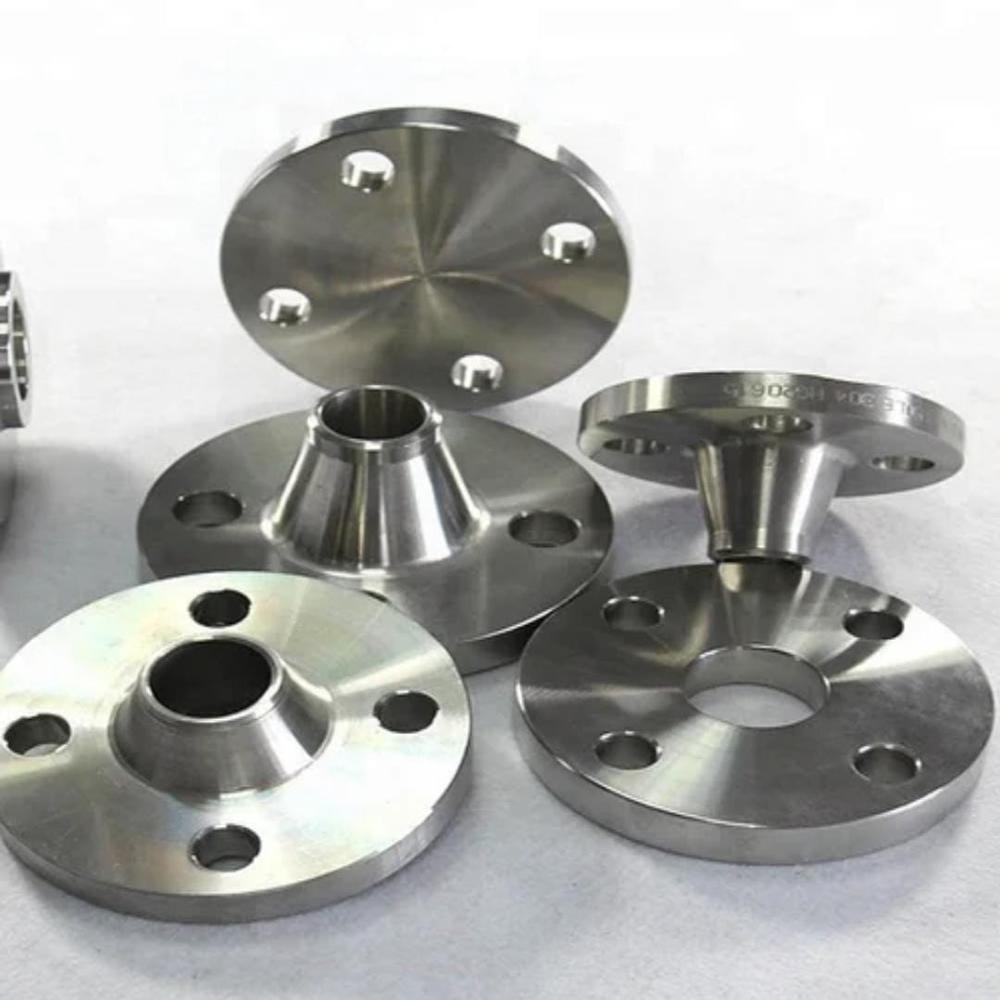
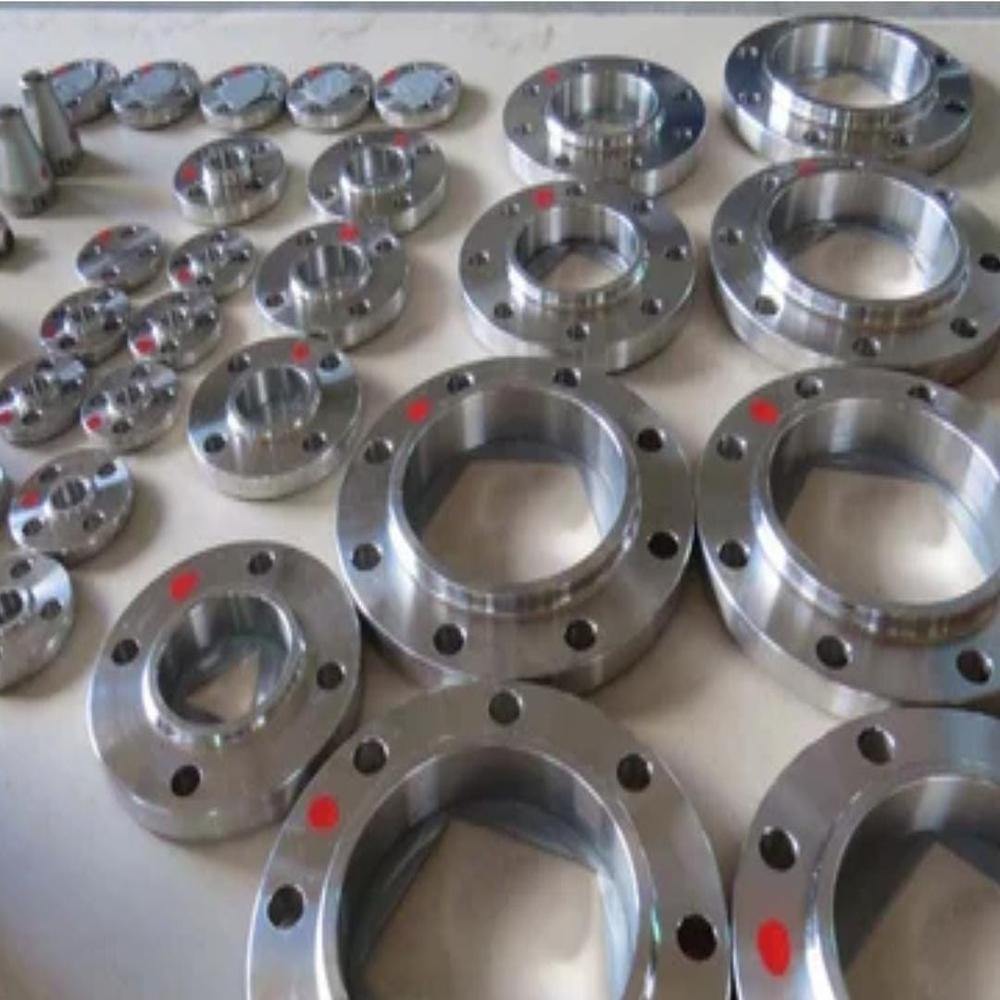
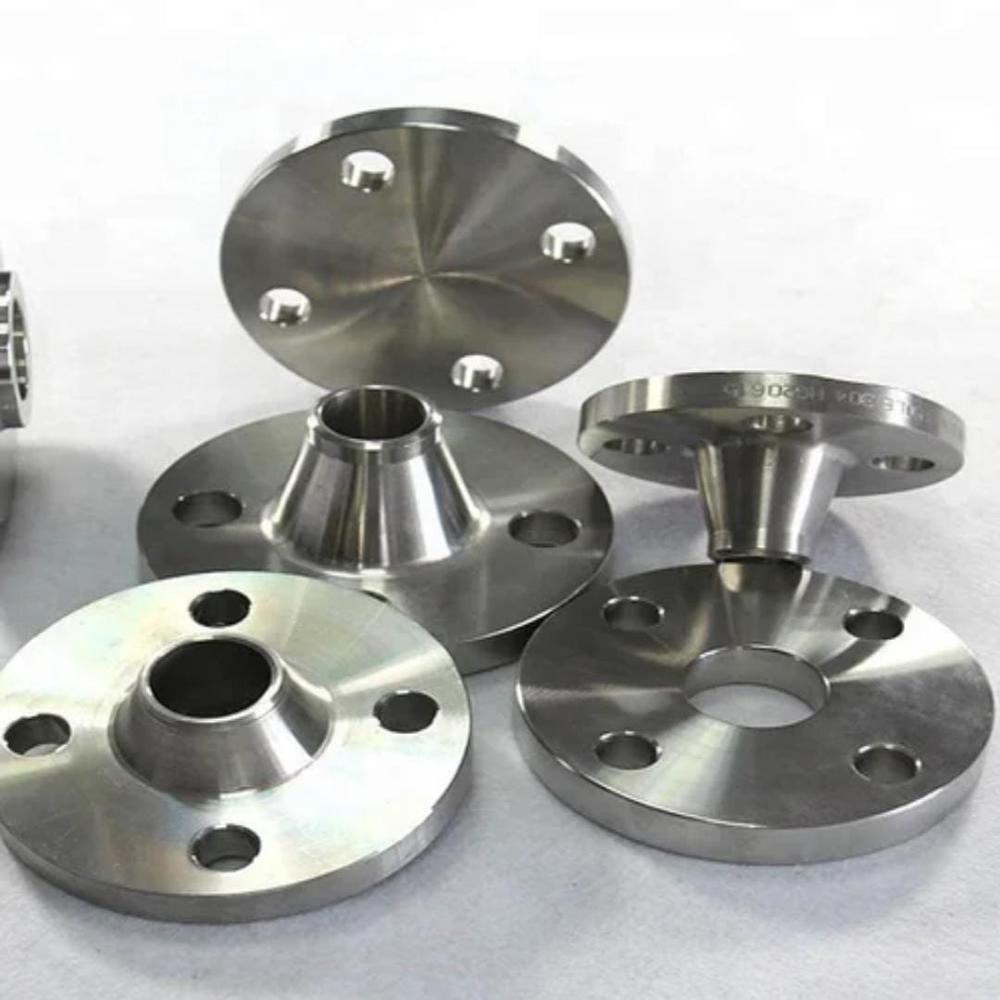
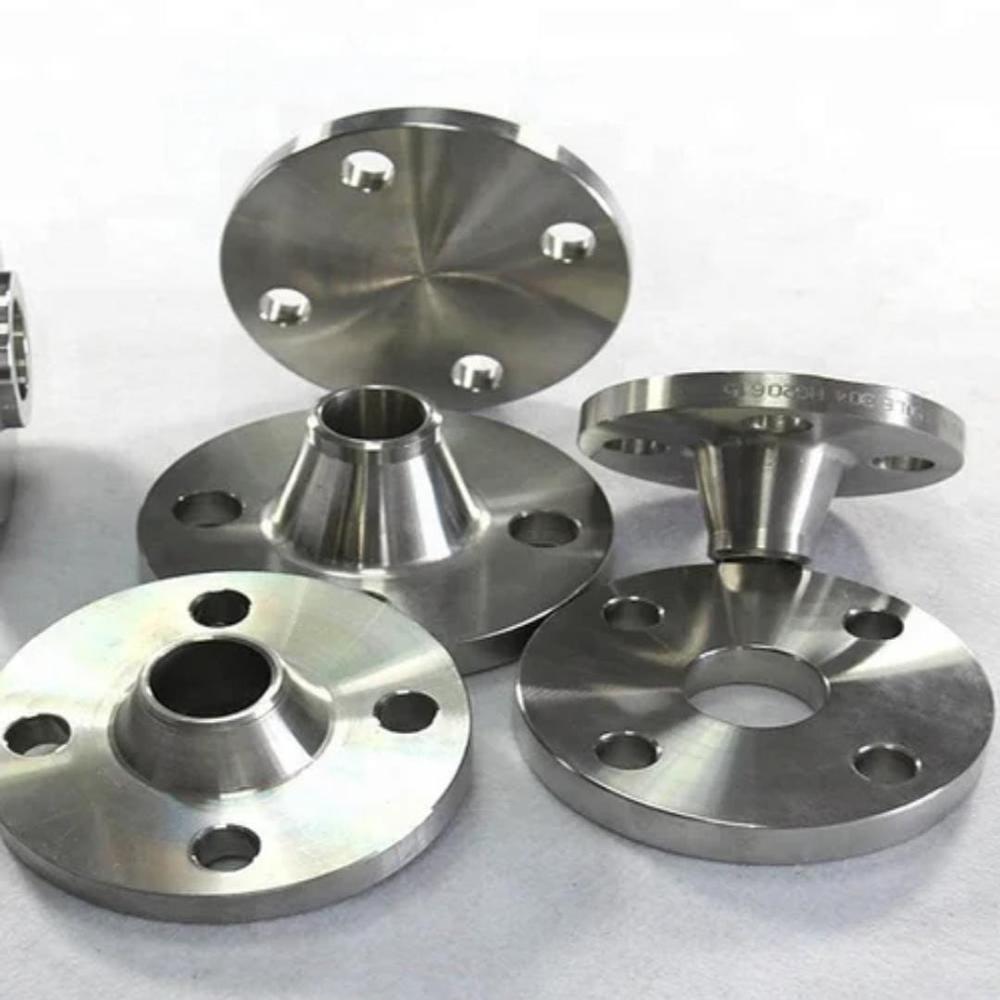
Types of SS Flanges
-
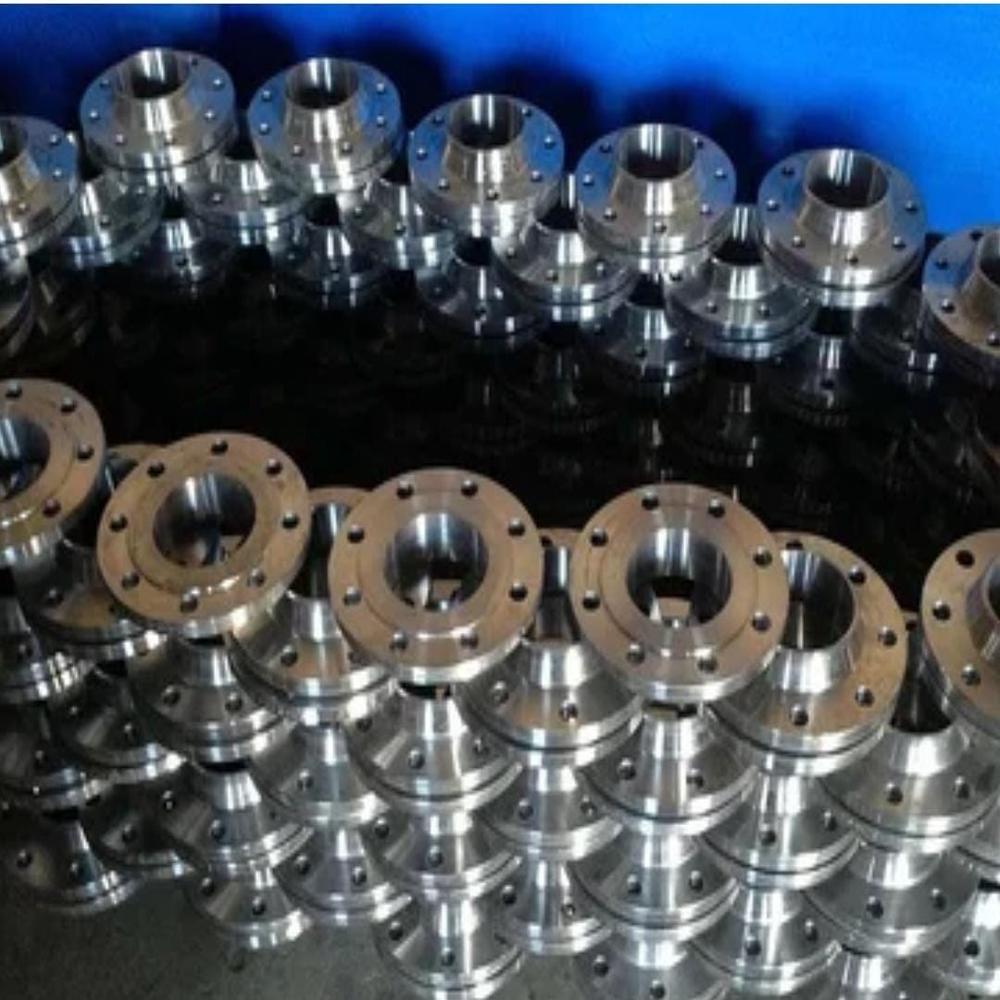
Weld Neck Flange (WN) For high-pressure pipelines
-
Slip-On Flange (SO) Easy to install, economical
-
Socket Weld Flange (SW) Ideal for small, high-pressure lines
-
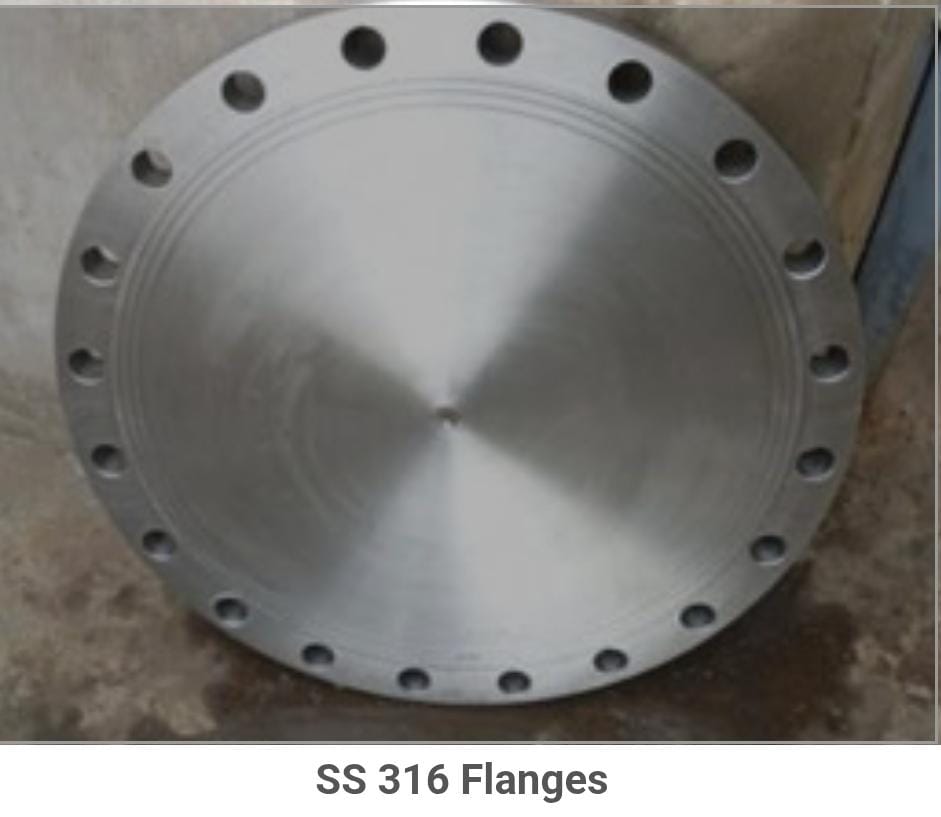
Blind Flange (BL) Closes pipe ends
-
Threaded Flange (TH) No welding required
-
Lap Joint Flange (LJ) Used with stub ends for easy alignment
-
Ring-Type Joint Flange (RTJ) For high-pressure, high-temperature service
-
Long Weld Neck Flange (LWN) For critical process pipelines
Applications
-
Oil & gas industry
-
Petrochemical & chemical processing
-
Water treatment systems
-
Food & beverage industry
-
HVAC and fire-fighting networks
-
Marine and offshore applications
-
Pharmaceutical and sanitary piping
Superior Corrosion and Heat ResistanceConstructed from ASTM A182 / ASME SA182 grade 316 stainless steel, these flanges boast impressive durability due to their optimized composition of chromium, nickel, and molybdenum. This combination ensures remarkable corrosion resistance, even in environments rich in chloride, and allows the flange to perform reliably at elevated temperatures up to 870C, supporting demanding industrial requirements.
Wide Range of Application & Customization316 Stainless Steel Flanges are suitable for diverse applications, including industrial piping, chemical processing, oil & gas, pharmaceuticals, and food & beverage. They are available in multiple pressure ratings (Class 150-2500), flange types, face configurations, and sizes (ANSI, DIN, JIS, or custom), making customization to specific project needs straightforward and efficient.
Quality Manufacturing and Packaging StandardsManufactured through a rigorous forged and machined process, each flange meets strict standards for tensile strength (minimum 520 MPa) and hardness. Surface finishes include mill or polished options, while packaging in wooden boxes or pallets adheres to export regulations, ensuring that products arrive in excellent condition, ready for installation.
FAQ's of 316 stainless steel flanges:
Q: How are 316 stainless steel flanges typically installed in industrial piping systems?
A: 316 stainless steel flanges are bolted onto pipe ends using compatible gaskets. Depending on the flange type-Weld Neck, Slip On, Blind, Socket Weld, Threaded, or Lap Joint-installation may involve welding or threading. They offer precision alignment and secure sealing, essential for high-pressure or corrosive fluid transport.
Q: What are the key benefits of using 316 grade stainless steel for flanges?
A: Grade 316 stainless steel provides excellent resistance to corrosion, especially in chloride-rich environments, and maintains structural integrity at temperatures up to 870C. Its combination of chromium, nickel, and molybdenum ensures longevity, minimal maintenance, and suitability for demanding industrial applications.
Q: When should I select a raised face (RF), flat face (FF), or ring type joint (RTJ) flange face?
A: Selection depends on application requirements. Raised face (RF) suits standard high-pressure needs, flat face (FF) is preferable for piping with cast iron or non-metallic surfaces to avoid stress, and ring type joint (RTJ) is used in high-pressure, leak-tight sealing conditions, especially in the oil & gas sector.
Q: Where can these flanges be used effectively?
A: 316 stainless steel flanges are ideal for industrial piping systems in chemical plants, oil & gas facilities, water treatment, food processing, and pharmaceutical manufacturing, thanks to their robust corrosion resistance and ability to handle both extreme temperatures and pressures.
Q: What is the manufacturing process for these stainless steel flanges?
A: The flanges are produced via forging and precise machining, complying with ASTM A182 / ASME SA182 standards. This process guarantees uniformity in thickness, concentricity, and surface finish, delivering flanges that meet rigorous mechanical and pressure requirements for safety and durability.
Q: How do I choose the appropriate pressure rating and flange type for my application?
A: Pressure rating and flange type should match your system's operating pressure and connection needs. Classes 150 to 2500 cover various pressure ranges, while flange types-such as weld neck for high-strength, slip-on for simple alignment, and blind for pipe closure-should be selected as per process design.
Q: What kind of gaskets are compatible with 316 stainless steel flanges?
A: These flanges are compatible with metallic, non-metallic, and composite gaskets. Face configuration-RF, FF, RTJ-determines the gasket type, ensuring optimal sealing for diverse fluids and process conditions. Proper selection enhances safety and system reliability.

 Send Inquiry



 Send Inquiry

 Send Inquiry