About 316 STAINLESS STEEL WIRES
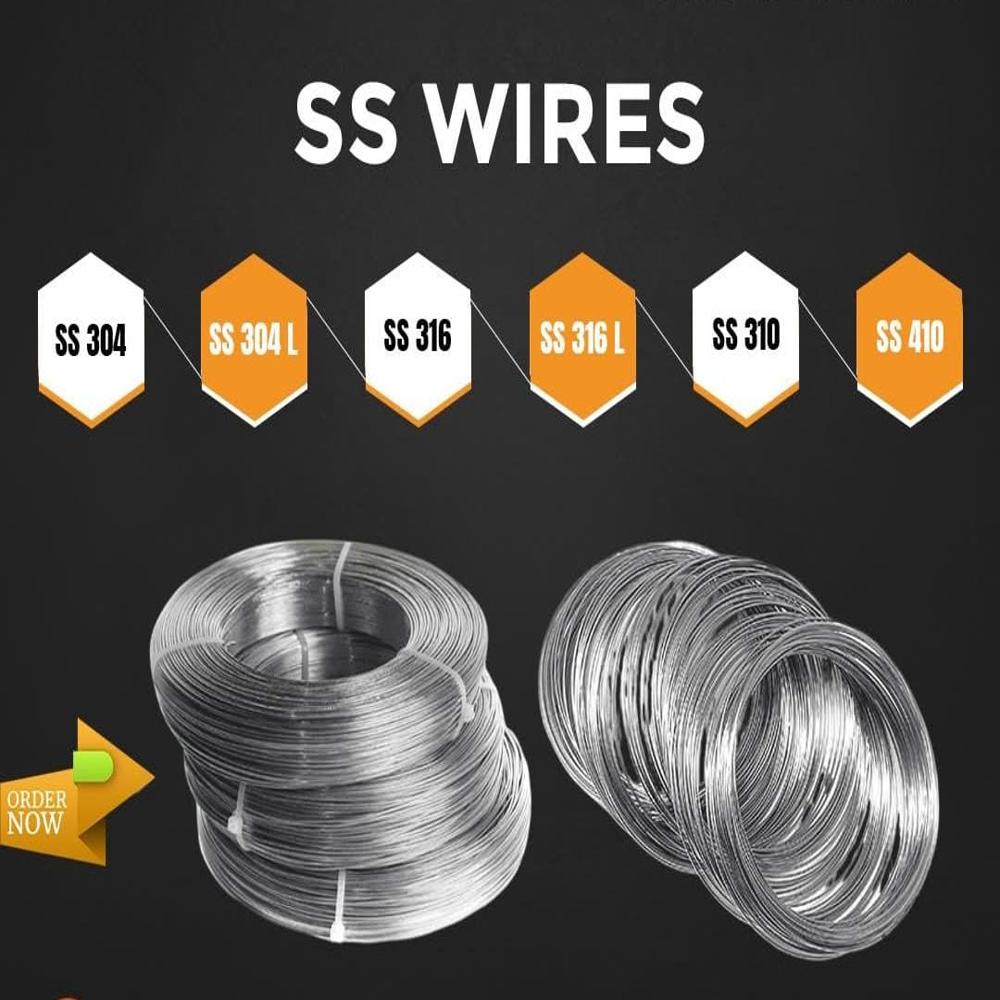
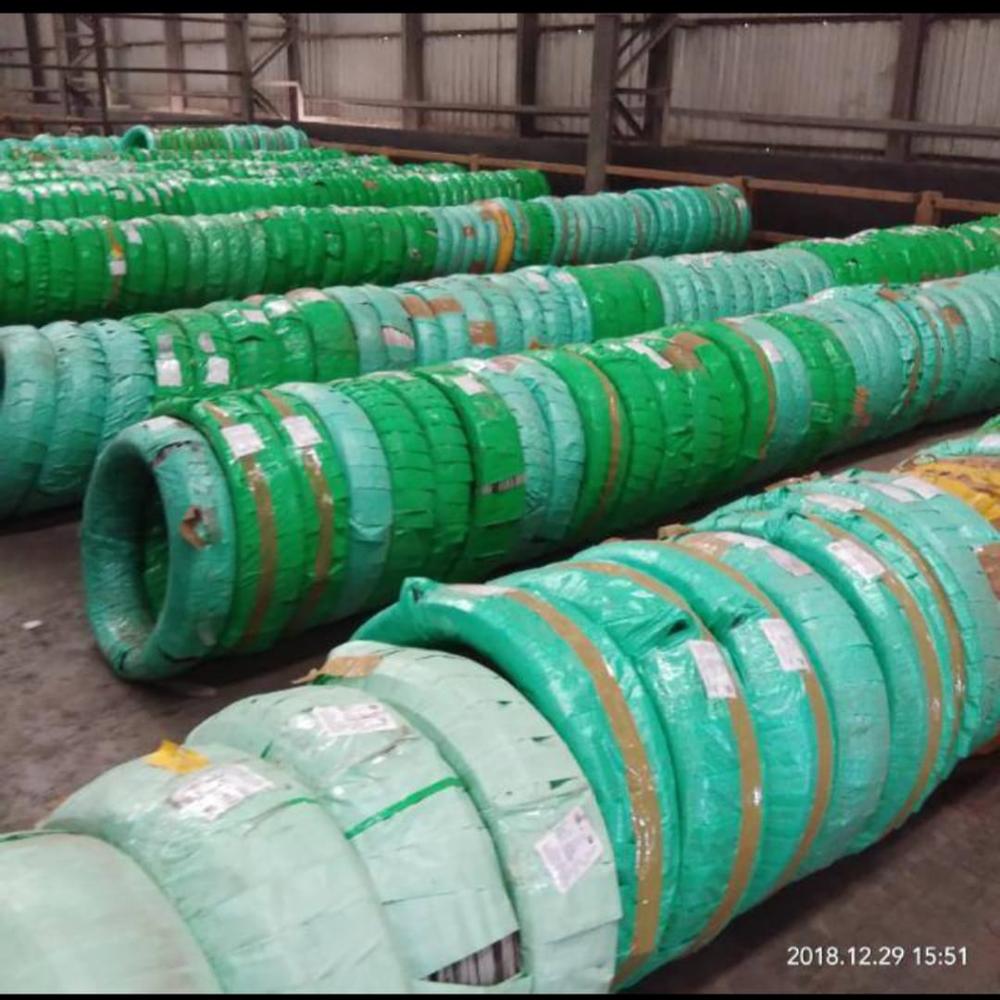
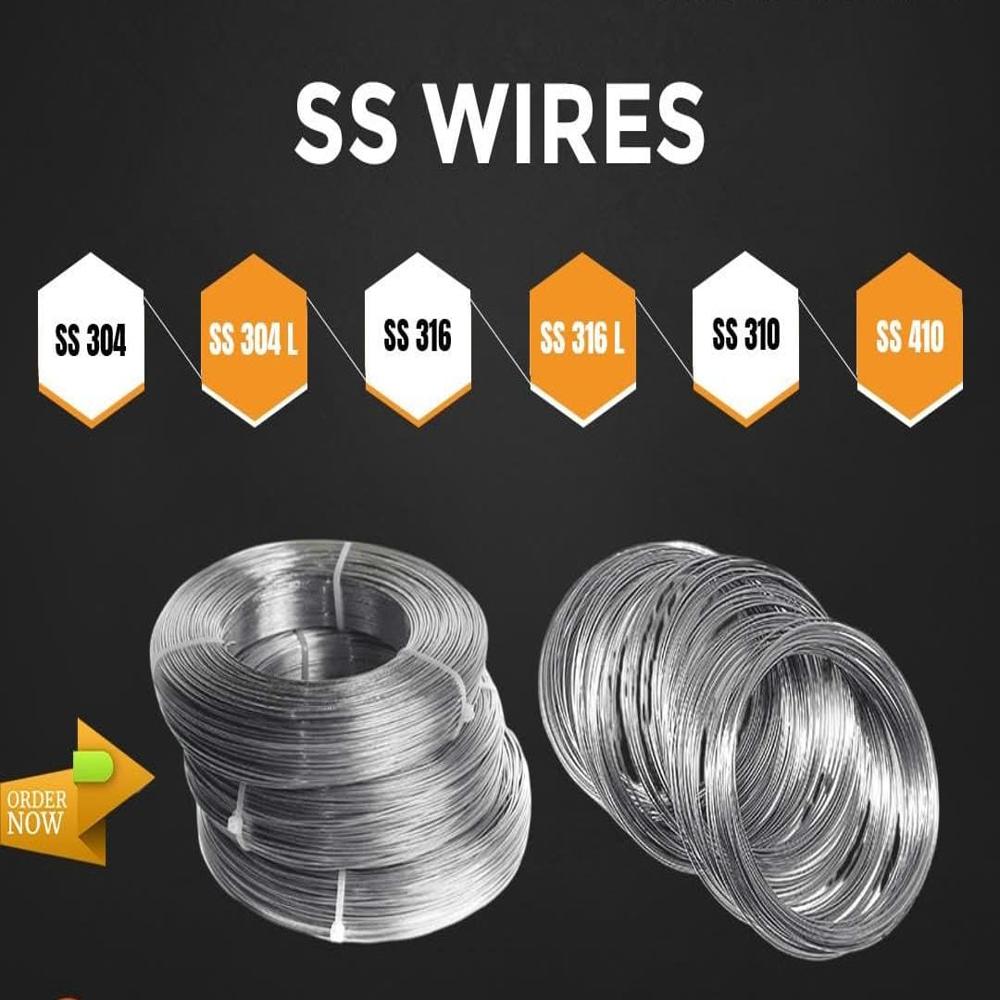
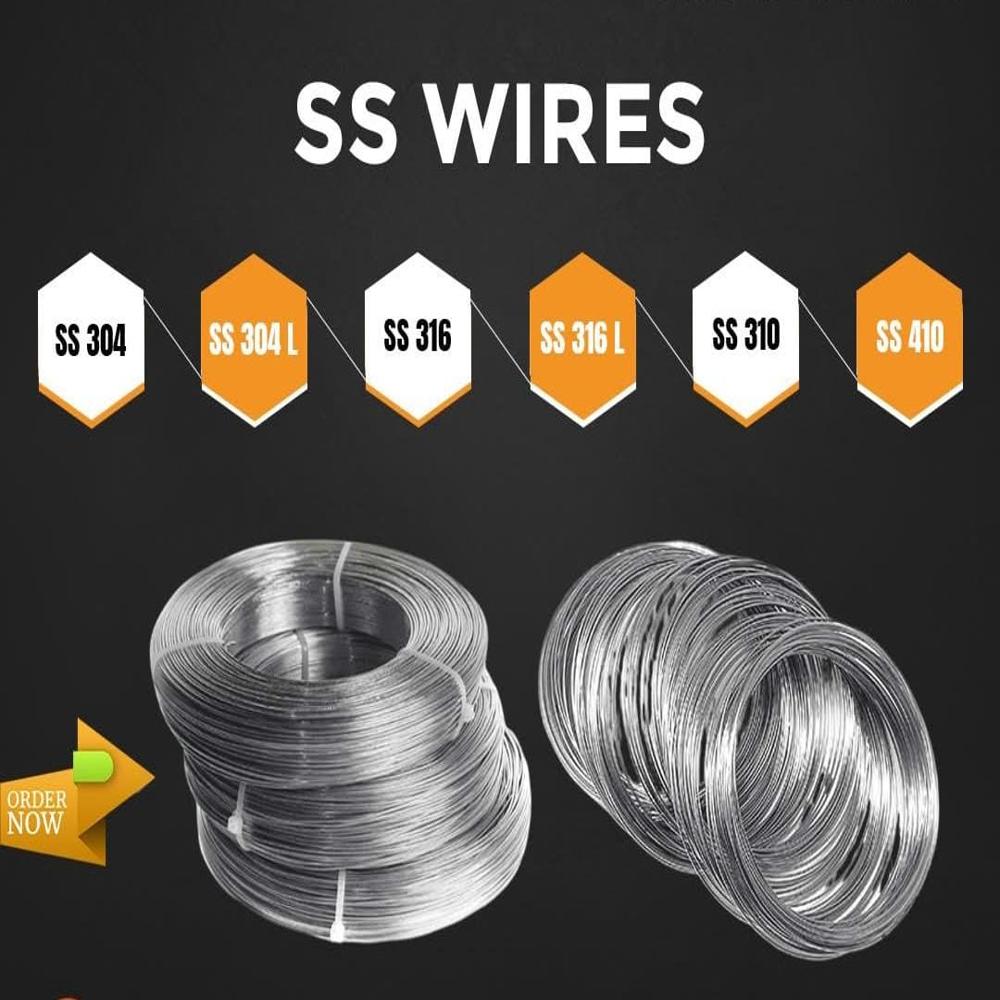
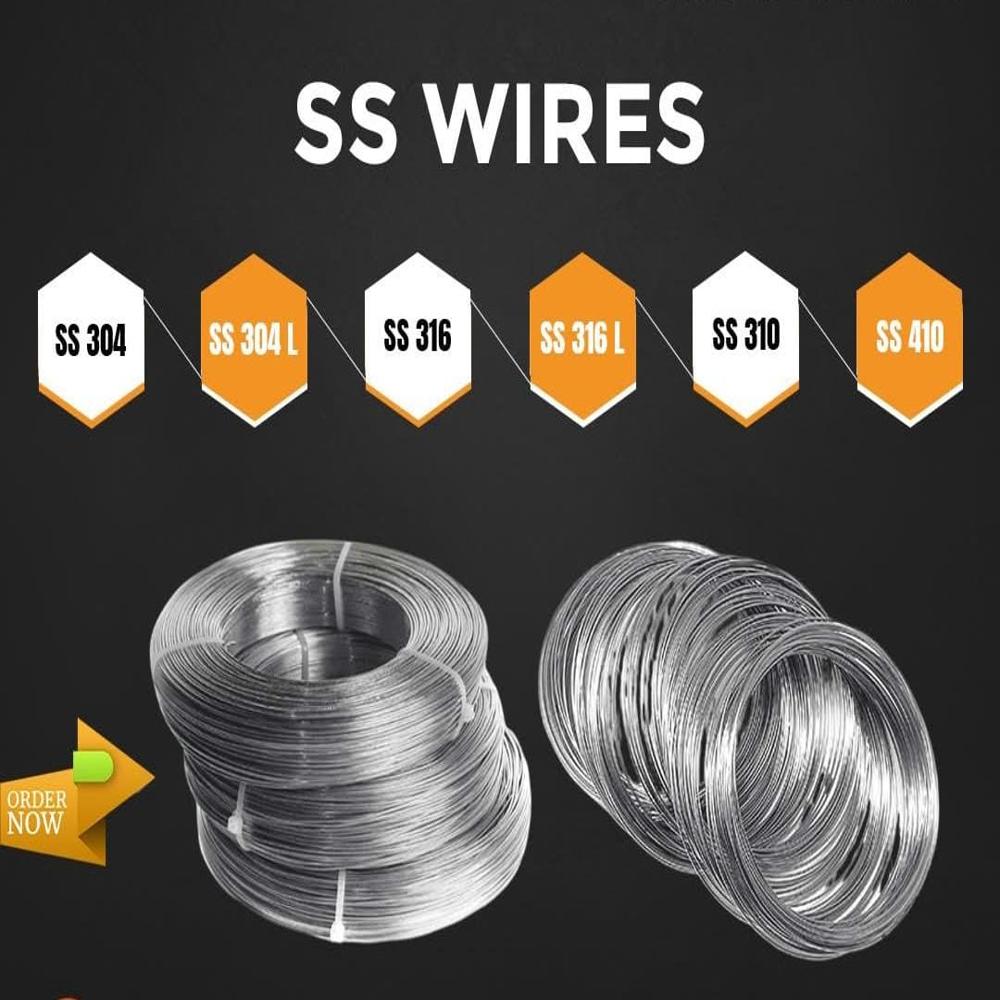
Stainless steel wires are high-strength, corrosion-resistant metal wires manufactured from premium stainless steel alloys. Designed for durability and long-term performance, these wires maintain excellent structural integrity even in harsh environments. They offer superior resistance to rust, chemicals, and heat, making them ideal for industrial, commercial, and household applications.
Superior Corrosion Resistance316 stainless steel contains added molybdenum, making it highly resistant to corrosion and oxidation, especially in chloride or saline environments. This feature makes these wires indispensable for industries such as marine engineering, chemical processing, and food handling, where corrosion resistance is paramount for longevity and safety.
Versatile Industrial ApplicationsRanging from 1mm to 10mm, these wires are used in diverse industrial settings. Their robust construction suits fabrication work, mesh weaving, springs, fencing, and surgical instrument manufacturing. Thanks to their non-reactive properties, these wires can also be used in the pharmaceutical and food industries safely.
FAQ's of 316 STAINLESS STEEL WIRES:
Q: How are 316 stainless steel wires manufactured for industrial use?
A: 316 stainless steel wires are manufactured using precision drawing or rolling processes, ensuring uniformity in diameter and excellent mechanical strength. The wires undergo rigorous quality checks to meet industrial performance standards.
Q: What are the primary benefits of using 316 stainless steel wire in harsh environments?
A: The key benefit is the enhanced corrosion resistance due to the presence of molybdenum. This quality makes them ideal for marine, chemical, and outdoor applications, ensuring long-term reliability and minimal maintenance.
Q: When should I choose 316 stainless steel wire over other grades?
A: 316 stainless steel wire is preferred when superior corrosion resistance, especially to chlorides and acids, is required. Choose this grade when exposure to harsh chemicals or saline environments is anticipated.
Q: Where can these wires be applied in the industry?
A: These wires are widely used in chemical processing plants, marine environments, food and beverage manufacturing, pharmaceuticals, and construction. Their versatility also makes them suitable for cable railing, springs, and mesh production.
Q: What is the typical process for incorporating these wires into industrial equipment?
A: The wires are generally cut to length, bent, or formed as required by the application. They can be welded or woven into meshes and are often subjected to further processing like annealing or coating depending on end use.
Q: How does the size range from 1mm to 10mm benefit industrial applications?
A: Offering a spectrum of sizes allows for customization in different applications-smaller diameters suit fine mesh and precision instruments, while thicker wires provide strength for structural supports or heavy-duty springs.

 Send Inquiry




 Send Inquiry

 Send Inquiry